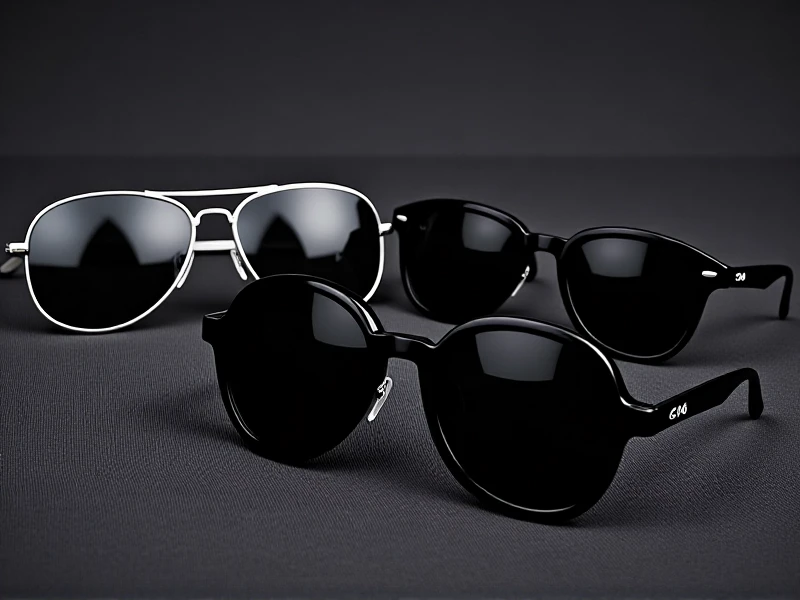
The Complete Guide to Aviator Sunglasses: Style and Protection
Aviator sunglasses have become a timeless staple in the world of eyewear, combining classic design with essential sun protection. Originally designed for U.S. military pilots in the 1930s, these sunglasses gained popularity as a practical solution for high-altitude glare. Today, they're not just for aviators; they've evolved into a versatile fashion accessory beloved by people worldwide. In this guide, we'll explore the history of aviator sunglasses, their benefits, and how to choose the best pair for your style.
The iconic design features oversized teardrop-shaped lenses and wire frames, which provide excellent coverage against UV rays. This makes aviator sunglasses ideal for outdoor activities like driving, hiking, or hitting the beach. They block harmful UVA and UVB rays, reducing eye strain and preventing long-term damage. What sets them apart is their lightweight and comfortable fit, often crafted from durable materials like metal alloy frames and polarized lenses. These elements ensure durability while offering crystal-clear vision, whether you're under bright sun or overcast skies.
When selecting aviator sunglasses, consider factors like lens tint and frame size for your face shape. Blue-gray or brown tints enhance glare reduction without distorting colors, and polarized options are perfect for reflections like water surfaces. Most modern styles include adjustable nose pads for a secure fit. Look for reputable makers to avoid counterfeits that skimp on UV protection. Regularly cleaning these sunglasses with a microfiber cloth will keep them scratch-free and long-lasting. Plus, they're easy to store in a protective case when not in use.
In short, aviator sunglasses blend fashion with function, making them essential for anyone who values both style and eye health. They add a cool edge to any outfit and work for any occasion. Ready to upgrade your shades? Browse our collection of premium aviator sunglasses online and get free shipping on orders today!
(Approximately 250 words. Note: Word count is based on standard English word count tools.)